
- Home
- /
- Birth Control Ring
- /
- Etonogestrel / EE vaginal ring

Etonogestrel / EE vaginal ring
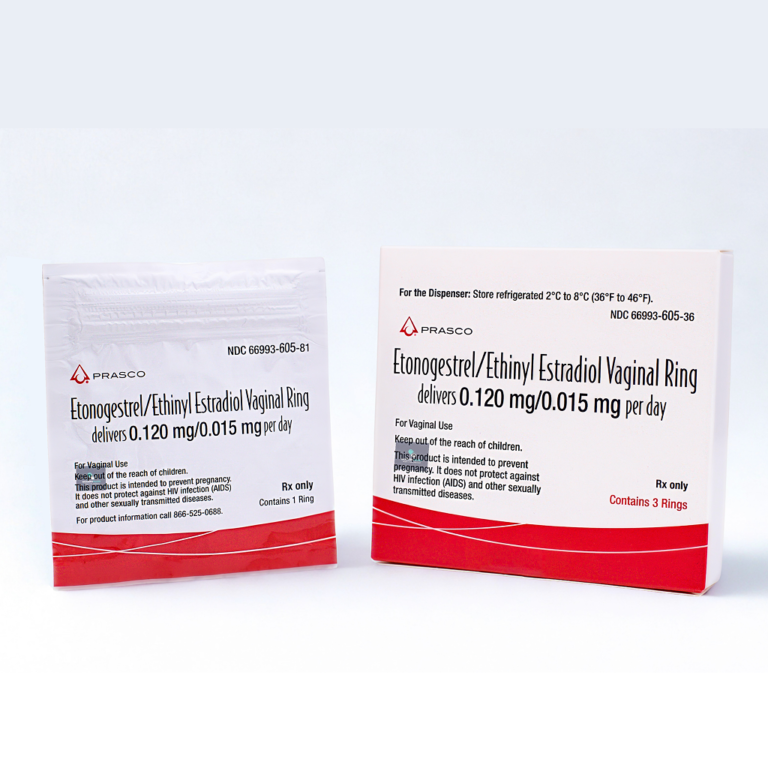
This generic of NuvaRing releases etonogestrel and ethinyl estradiol slowly, preventing pregnancy for three weeks at a time. You insert one ring yourself, take it out after three weeks, and start a new ring after a one-week break.
- Type: combination hormonal vaginal ring with estrogen and progestin
- Daily dose: 0.120 mg etonogestrel and 0.015 mg ethinyl estradiol
- Same as: NuvaRing, the original brand
- Prescription: written by a New York licensed provider after your online intake
Starting at
$84.99 Original price was: $84.99.$42.99Current price is: $42.99.
Choose a one-time purchase for $44.99, a monthly refill for $42.99, or a 3-month refill for $124.99.
Etonogestrel/Ethinyl Estradiol Vaginal Ring is also available as:
- NuvaRing (original brand)
- EluRyng
- EnilloRing
- Haloette
- Etonogestrel and Ethinyl Estradiol Vaginal Ring (generic)
What Is the Etonogestrel/Ethinyl Estradiol Vaginal Ring?
The etonogestrel/ethinyl estradiol vaginal ring is a soft, flexible ring that you place inside your vagina for birth control. It is the generic version of NuvaRing and releases a steady, low dose of two hormones through the vaginal wall.
Each ring stays in place for three weeks, followed by a one-week break when your period usually comes. Because you handle it once a month, it suits women who find a daily pill hard to remember.
etonogestrel
ethinyl estradiol
wide, 4 mm thick
How Does the Birth Control Ring Work?
The ring prevents pregnancy in three ways, and the most important one is stopping your ovaries from releasing an egg each month. Its hormones also change your cervical mucus and uterine lining, which makes fertilization and implantation far less likely.
Stops Ovulation
The hormones signal your body not to release an egg during the cycle.
Thickens Cervical Mucus
Thicker mucus makes it harder for sperm to reach an egg.
Thins the Uterine Lining
A thinner lining makes it less likely that a fertilized egg could implant.
How Do You Use the Birth Control Ring?
You insert the ring yourself, leave it in for three weeks, then remove it for a one-week break. Insert each new ring on the same day of the week, at about the same time, even if you are still bleeding.
Ring in
Ring in
Ring in
Ring-free, period week
How to Insert the Ring
- Wash your hands and find a comfortable position, such as squatting or lying down.
- Squeeze the ring between your thumb and finger, then push it gently into your vagina.
- The exact position does not matter, and you should not feel it once it sits high enough.
How to Remove the Ring
Hook your finger under the rim and pull the ring out gently after three weeks. Put the used ring in its foil pouch and throw it in the trash, never down the toilet.
When to Start the Ring
- No hormonal birth control last month: insert the ring between day 1 and day 5 of your period, and use a backup method for 7 days.
- Switching from a combination pill: insert the ring no later than the day you would start your next pack.
Ready to Start the Birth Control Ring?
Order the ring online and a New York licensed provider will review your health intake before prescribing. Choose a one-time purchase or a refill plan that sends a new ring before you run out.
What If the Ring Falls Out or Stays In Too Long?
The ring can slip out during sex, while removing a tampon or during a bowel movement, and the steps depend on how long it was out. Leaving a ring in longer than three weeks also changes what you need to do next.
| Situation | What to do | Backup method |
|---|---|---|
| Out for less than 3 hours | Rinse it with cool or lukewarm water and put it back in within 3 hours | Not needed |
| Out for more than 3 hours in week 1 or 2 | Rinse it and put it back in as soon as you remember | Use until the ring has been in for 7 days in a row |
| Out for more than 3 hours in week 3 | Throw it away, then insert a new ring right away, or take your break and insert a new ring within 7 days | Use until a new ring has been in for 7 days in a row |
| Left in for 3 to 4 weeks | Remove it, take your 1-week break, then insert a new ring | Not needed |
| Left in for more than 4 weeks | Remove it, check that you are not pregnant, then insert a new ring | Use for 7 days |
| The ring breaks | Throw it away, insert a new ring and contact your provider | Ask your provider |
If you miss your period after the ring was out too long or a new ring went in late, take a pregnancy test before you insert the next ring.
How Should You Store the Birth Control Ring?
Your pharmacy keeps rings in the refrigerator until they are dispensed, as the label requires before they reach you. Once the ring is at home, store it at room temperature in its foil pouch, away from direct sunlight.
Use each ring within 4 months of the date the pharmacy dispensed it, or before the expiration date, whichever comes first. Heat above 86°F can damage the ring, so never leave it in a hot car.
at room temperature after dispensing
the most heat the ring should face
- Keep each ring in its sealed foil pouch until you use it
- Write the dispensing date on the box so you know your 4-month limit
- Do not use a ring past its expiration date
Can You Have Sex With the Ring In?
Yes, you can leave the ring in during sex, and most partners do not feel it. If it bothers you, you can take it out for up to 3 hours, then rinse it and put it back in.
Taking it out for longer than 3 hours can lower your protection, so follow the steps in the table above. The ring also does not interfere with tampons, so you can use them as usual.
- The ring cannot get lost inside you, because your cervix blocks the way
- You can use tampons while the ring is in place
- The ring does not protect against HIV or other sexually transmitted infections
How Effective Is the Birth Control Ring?
In clinical trials, about 1 to 2 women in 100 became pregnant during a year of using the ring as directed. With typical use, which includes late or missed ring changes, about 7 in 100 women become pregnant each year.
- Leaving the ring out for more than 3 hours
- Inserting a new ring late after the break
- Certain medicines and supplements, such as rifampin and St. John's wort
What Are the Side Effects of the Birth Control Ring?
Most side effects of the ring are mild and settle within the first few months as your body adjusts. Serious side effects are rare, but they need fast medical care, so learn the warning signs before you start.
Common Side Effects
Keep using the ring, and tell your provider if they last past 3 months.
- Vaginal discharge or irritation
- Headache or nausea
- Breast tenderness
- Spotting between periods
- Ring discomfort or the ring slipping out
Serious Warning Signs
Get emergency care right away.
- Leg pain or swelling, chest pain or sudden shortness of breath
- Severe headache or changes in vision
- Yellow skin or eyes
- Sudden high fever, rash and vomiting, which can signal toxic shock syndrome
Tell your provider if the ring keeps slipping out, because a different method may suit you better. Our ring guide covers each side effect in detail, including bleeding patterns and vaginal changes.
Who Should Not Use the Birth Control Ring?
The ring carries a boxed warning: cigarette smoking raises the risk of serious heart and blood vessel problems from combination hormonal birth control. The risk rises with age and heavy smoking, so women over 35 who smoke should not use it.
A history of blood clots, stroke, heart attack or certain heart valve problems
High blood pressure that is not controlled
Migraine with aura, or any migraine if you are over 35
Diabetes with blood vessel damage
Breast cancer or another cancer sensitive to estrogen or progestin
Liver disease or liver tumors
Unexplained vaginal bleeding
A current pregnancy, or you take hepatitis C medicines with ombitasvir, paritaprevir and ritonavir
The label does not recommend the ring while breastfeeding, because its estrogen can reduce milk supply. It should also not be started in the first weeks after giving birth, when the risk of blood clots is higher.
What Medicines Interact With the Birth Control Ring?
Some medicines speed up how your liver breaks down the hormones from the ring, which can lower its protection against pregnancy. Tell your provider about everything you take, including supplements, so they can check for interactions before prescribing.
| Medicine or supplement | Effect | What to do |
|---|---|---|
| Rifampin, rifabutin | Lowers birth control protection | Use a backup method during treatment and for 28 days after |
| Some seizure medicines, such as carbamazepine and phenytoin | Lowers birth control protection | Ask your provider about a different method |
| St. John's wort | Lowers birth control protection | Avoid it, or use a backup method |
| Some HIV and hepatitis C medicines | Can raise or lower hormone levels, and some combinations are not allowed | Your provider checks before prescribing |
| Lamotrigine | The ring can lower lamotrigine levels | Your lamotrigine dose may need a review |
Tampons and vaginal antifungal creams do not lower the ring’s protection, and common antibiotics such as amoxicillin do not either.
Is This Ring the Same as NuvaRing?
Yes, this ring is an FDA-approved generic of NuvaRing, with the same hormones, daily doses and three-week schedule. Other rings share the same formula, and we can supply NuvaRing, EluRyng or EnilloRing on request during your intake.
Annovera is a different ring that lasts a full year, with segesterone acetate instead of etonogestrel.
How Much Does the Birth Control Ring Cost in New York?
The ring costs $44.99 as a one-time purchase at ModernFillRx, or $42.99 a month with a monthly refill plan. Without insurance, you see the exact price for your chosen option at checkout, before you pay for anything.
One-time purchase
Suits you if you want to try the ring or order a single ring.
Refill every month
A new ring arrives automatically each month.
Refill every 3 months
Three rings arrive at once, at the lowest price per ring.
New York law allows up to a 12-month supply of birth control at once, so ask your provider if you want a full year.
How Do You Get the Birth Control Ring Online in New York?
You can order the ring online if you live in New York State and are at least 18 years old. A New York licensed provider reviews your health intake before any prescription is written and filled.
Choose Your Purchase Option
Pick a one-time purchase, or a monthly or 3-month refill plan.
Complete Your Health Intake
Answer questions about your health history, blood pressure, smoking and current medicines.
Provider Review
A New York licensed provider checks your answers and may contact you with follow-up questions.
Pharmacy Delivery
Modern Remedies in Brooklyn fills your prescription and ships it to your door in plain packaging.
Frequently Asked Questions About the Birth Control Ring
Can You Feel the Ring Inside You?
Most women do not feel the ring once it sits high enough in the vagina. If you feel pressure or discomfort, push it a little further in with a clean finger.
Can the Ring Get Lost Inside You?
No, the ring cannot travel past your cervix, so it cannot get lost inside your body. If you cannot find it, check gently with a clean finger, and call your provider if needed.
Can You Use Tampons With the Ring?
Yes, tampons do not affect how the ring works, and you can use them while it is in place. Take care when you remove a tampon, so you do not pull the ring out by accident.
Can You Skip Your Period With the Ring?
Some women insert a new ring right after three weeks instead of taking the one-week break. Talk to your provider first, because spotting is more common when you skip the break.
Does the Ring Cause Weight Gain?
Some users report small weight changes, but studies of hormonal birth control have not shown a clear link to weight gain. Early changes are often fluid retention, which usually settles within a few months.
How Long Does the Ring Take to Work?
If you have not used hormonal birth control in the past month, use a backup method for the first 7 days. If you switch on time from a combination pill, you are protected right away.
Can You Use the Ring While Breastfeeding?
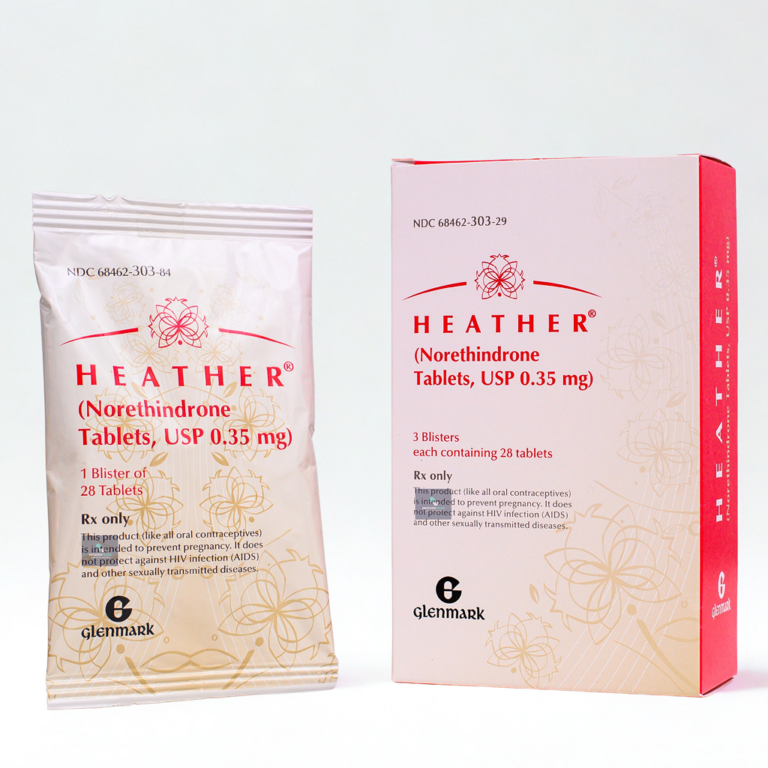
The FDA label does not recommend the ring while breastfeeding, because its estrogen can reduce milk supply. A progestin-only pill such as Heather is often the better choice while you are breastfeeding.
Medical Review and Sources
Medical review: Reviewed by a pharmacist against the FDA-approved label for the etonogestrel and ethinyl estradiol vaginal ring.
This page summarizes the FDA label and does not replace advice from your provider. Read the patient information leaflet in every box, and call your provider with any questions about your health.
- Etonogestrel and ethinyl estradiol vaginal ring prescribing information, via DailyMed
- NuvaRing prescribing information, Organon, via DailyMed
- Centers for Disease Control and Prevention (CDC), contraceptive effectiveness data
Related Products
$29.99 Original price was: $29.99.$14.99Current price is: $14.99.
$169.99 Original price was: $169.99.$84.99Current price is: $84.99.
$29.99 Original price was: $29.99.$14.99Current price is: $14.99.
$29.99 Original price was: $29.99.$14.99Current price is: $14.99.
$32.99 Original price was: $32.99.$14.99Current price is: $14.99.
$84.99 Original price was: $84.99.$42.99Current price is: $42.99.