
- Home
- /
- Birth Control Patch
- /
- Norelgestromin / EE patch

Norelgestromin / EE patch
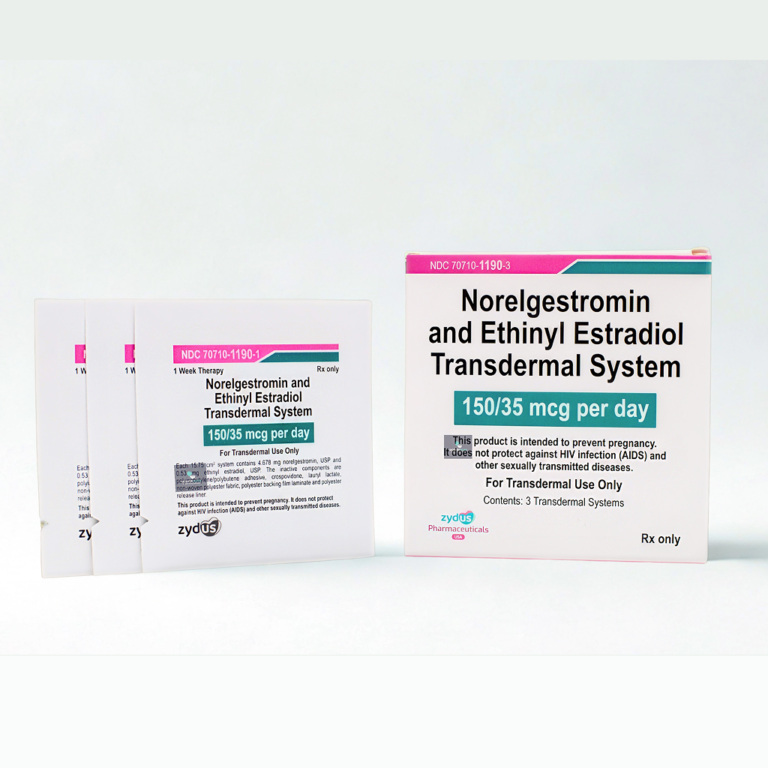
This weekly birth control patch is a generic of Xulane that releases norelgestromin and ethinyl estradiol through your skin. You apply one patch a week for three weeks, then take a patch-free week when your period usually comes.
- Type: combination hormonal skin patch with estrogen and progestin
- Daily dose: 150 mcg norelgestromin and 35 mcg ethinyl estradiol
- Same as: Xulane and Zafemy
- Prescription: written by a New York licensed provider after your online intake
Starting at
$169.99 Original price was: $169.99.$84.99Current price is: $84.99.
Norelgestromin and Ethinyl Estradiol Transdermal System is also available as:
- Xulane
- Zafemy
- Ortho Evra (original brand, no longer sold)
- Norelgestromin and Ethinyl Estradiol Transdermal System (generic)
What Is the Norelgestromin and Ethinyl Estradiol Patch?
What one patch releases each day
150 mcg
35 mcg
3 patches
How Does the Birth Control Patch Work?
Stops Ovulation
Thickens Cervical Mucus
Thins the Uterine Lining
How Do You Use the Birth Control Patch?
How to Apply the Patch
- Open the pouch, peel off half the clear liner and avoid touching the sticky side.
- Press the patch onto clean, dry skin and hold it firmly for 10 seconds.
- Run your fingers around the edges to make sure they stick.
Where to Put the Patch
Place the patch on your buttock, belly, upper outer arm or upper back, on clean and dry skin. Never place it on your breasts, and move each new patch to a different spot to avoid irritation.
When to Start the Patch
- First day of your period: apply your first patch that day, with no backup method needed.
- Sunday start: apply it on the first Sunday after your period begins, and use a backup method for 7 days.
- Switching from a combination pill: apply your first patch on the day you would start your next pill pack.
Ready to Start the Birth Control Patch?
What If the Patch Falls Off or You Forget to Change It?
| Situation | What to do | Backup method |
|---|---|---|
| Loose or off for less than 1 day | Reapply it if it still sticks, or apply a new patch right away, and keep your usual change day | Not needed |
| Off for more than 1 day, or you are not sure how long | Apply a new patch right away, which starts a new 4-week cycle and a new change day | Use for 7 days |
| Late applying the first patch of a cycle | Apply a patch as soon as you remember, which becomes your new change day | Use for 7 days |
| Week 2 or 3 change, up to 2 days late | Apply a new patch right away and keep your usual change day | Not needed |
| Week 2 or 3 change, more than 2 days late | Start a new 4-week cycle with a new patch right away, on a new change day | Use for 7 days |
| Forgot to remove it in week 4 | Take it off as soon as you remember, and start the next cycle on your usual change day | Not needed |
Swipe the table sideways to see all columns →
How Do You Keep the Patch Stuck and Your Skin Healthy?
10 seconds
4 spots
If your skin gets irritated
- Remove the patch and apply a new one in a different spot
- Wear only one patch at a time
- Contact your provider if redness or itching does not settle
Can You Shower, Swim or Exercise With the Patch?
Good to know
- Do not cut, decorate or change the patch in any way
- Fold a used patch in half, sticky sides together, before you throw it away
- The patch does not protect against HIV or other sexually transmitted infections
How Effective Is the Birth Control Patch?
What lowers protection
- Weighing 198 pounds (90 kg) or more, which may make the patch less effective
- A patch that falls off for more than 1 day, or a late patch change
- Certain medicines and supplements, such as rifampin and St. John's wort
What Are the Side Effects of the Birth Control Patch?
Common Side Effects
- Skin irritation, redness or itching where you wear the patch
- Breast tenderness
- Headache or nausea
- Spotting between periods
- Mood changes
Serious Warning Signs
- Leg pain or swelling, chest pain or sudden shortness of breath
- Severe headache or changes in vision
- Yellow skin or eyes
- Sudden numbness or weakness on one side of the body
Who Should Not Use the Birth Control Patch?
The FDA label also rules out the patch if you have:
What Medicines Interact With the Birth Control Patch?
| Medicine or supplement | Effect | What to do |
|---|---|---|
| Rifampin, rifabutin | Lowers birth control protection | Use a backup method during treatment and for 28 days after |
| Some seizure medicines, such as carbamazepine and phenytoin | Lowers birth control protection | Ask your provider about a different method |
| St. John's wort | Lowers birth control protection | Avoid it, or use a backup method |
| Some HIV and hepatitis C medicines | Can raise or lower hormone levels, and some combinations are not allowed | Your provider checks before prescribing |
| Lamotrigine | The patch can lower lamotrigine levels | Your lamotrigine dose may need a review |
Swipe the table sideways to see all columns →
Is This Patch the Same as Xulane?
How Much Does the Birth Control Patch Cost in New York?
One-time purchase
$89.99
Refill every month
$84.99
Refill every 3 months
$249.99
How Do You Get the Birth Control Patch Online in New York?
Choose Your Purchase Option
Complete Your Health Intake
Provider Review
Pharmacy Delivery
Frequently Asked Questions About the Birth Control Patch
Where Is the Best Place to Put the Patch?
You can use your buttock, belly, upper outer arm or upper back, and all four spots work equally well. Pick a spot where tight clothing will not rub the edges, and move it each week.
What Happens If the Patch Falls Off?
If it was off for less than 1 day, reapply it or put on a new patch right away. If it was off longer, start a new 4-week cycle and use a backup method for 7 days.
Does the Patch Work If You Weigh More Than 198 Pounds?
The FDA label says the patch may be less effective in women who weigh 198 pounds (90 kg) or more. Your provider may suggest the pill or the ring instead if your weight is in this range.
Can You Skip Your Period With the Patch?
Some women apply a new patch right after three weeks instead of taking the patch-free week. Talk to your provider first, because this adds to your estrogen exposure and can cause spotting.
Does the Patch Cause Weight Gain?
Some users report small weight changes, but studies of hormonal birth control have not shown a clear link to weight gain. Early changes are often fluid retention, which usually settles within a few months.
How Long Does the Patch Take to Work?
If you apply your first patch on the first day of your period, it protects you right away. If you use a Sunday start, use a backup method such as condoms for the first 7 days.
Can You Use the Patch While Breastfeeding?
The FDA label does not recommend the patch while breastfeeding, because its estrogen can reduce milk supply. A progestin-only pill such as Heather is often the better choice while you are breastfeeding.
Medical Review and Sources
Sources
- Norelgestromin and ethinyl estradiol transdermal system prescribing information, via DailyMed
- Xulane (norelgestromin and ethinyl estradiol transdermal system) prescribing information, via DailyMed
- Centers for Disease Control and Prevention (CDC), contraceptive effectiveness data
Related Products
$29.99 Original price was: $29.99.$14.99Current price is: $14.99.
$169.99 Original price was: $169.99.$84.99Current price is: $84.99.
$29.99 Original price was: $29.99.$14.99Current price is: $14.99.
$29.99 Original price was: $29.99.$14.99Current price is: $14.99.
$32.99 Original price was: $32.99.$14.99Current price is: $14.99.
$84.99 Original price was: $84.99.$42.99Current price is: $42.99.